When it comes to “Halal,” many Vietnamese businesses still believe it’s a niche area, difficult to access, and only suitable for businesses exporting to the Middle East. These incomplete perceptions have caused many businesses to miss opportunities to participate in one of the world’s fastest-growing markets.
In fact, Halal today has transcended the religious realm to become a global economic ecosystem, linked to values of quality, transparency, food safety, and sustainable development.
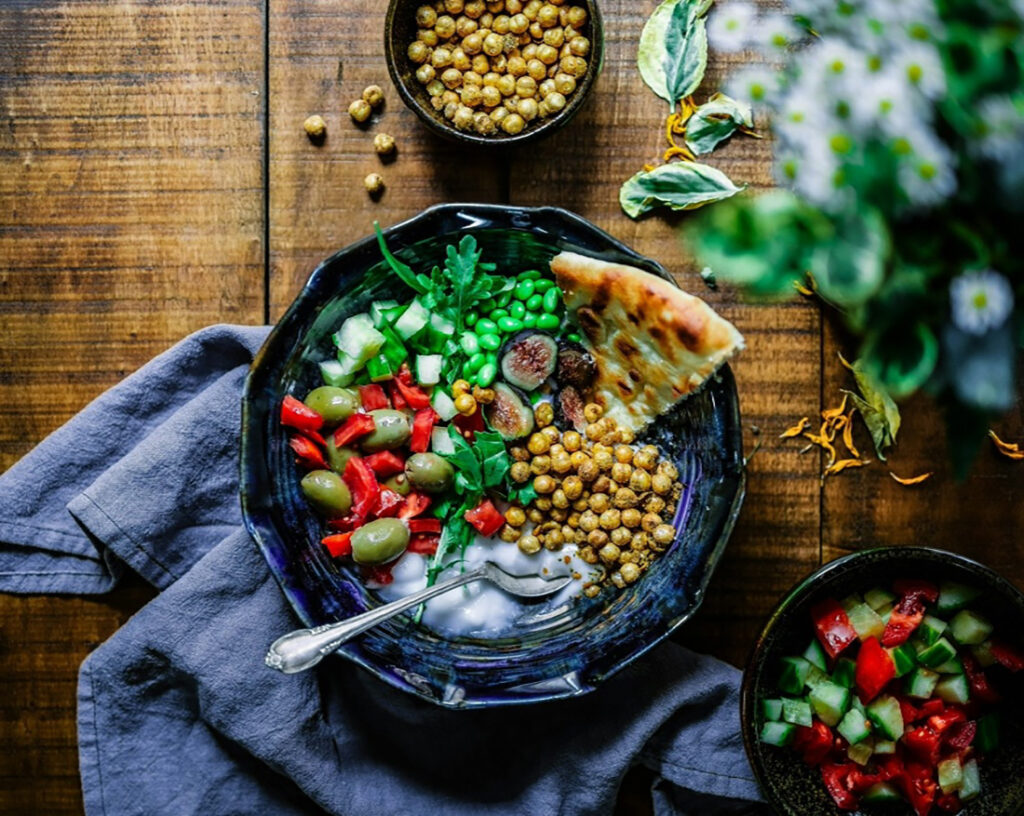
Misconception #1: Halal is only for Muslims
It is true that Halal standards are based on Islamic law (Sharia). However, an increasing number of non-Muslim consumers are also choosing Halal products — thanks to the strict requirements regarding hygiene, food safety, sourcing of ingredients, and traceability.
★ FACT #1
Halal serves Muslims, but the values it brings are appreciated by consumers worldwide.
Misconception #2: Halal only relates to food.
In fact, the Halal economy has developed into a multi-sectoral ecosystem: Muslim-friendly tourism, hotels, cosmetics, pharmaceuticals, fashion, logistics, Islamic finance, e-commerce, education and training.
According to the State of the Global Islamic Economy Report 2025/2026, the Muslim-friendly travel sector alone reached approximately $249 billion in 2024 and is projected to grow to $424 billion by 2029.
★ FACT #2
Halal is a comprehensive economic ecosystem where many industries can participate and create value.
Misconception #3: Halal certification is very complicated and only for large businesses.
In reality, the level of requirement depends on the type of product and the export market. Many small businesses in Vietnam have already obtained Halal certification to expand into international markets. More importantly, Halal certification is also an opportunity for businesses to standardize production processes and improve management quality.
★ FACT #3
With the support of a reputable certification body and a suitable consulting firm, businesses of all sizes can access the Halal market.
Misconception #4: Halal is only for the Middle Eastern market.
Demand for Halal products and services exists in Southeast Asia, South Asia, Central Asia, Europe, Africa, North America, and Oceania. Beyond Muslim countries, Japan, South Korea, Singapore, and the United Kingdom are also investing heavily in Halal infrastructure and services.
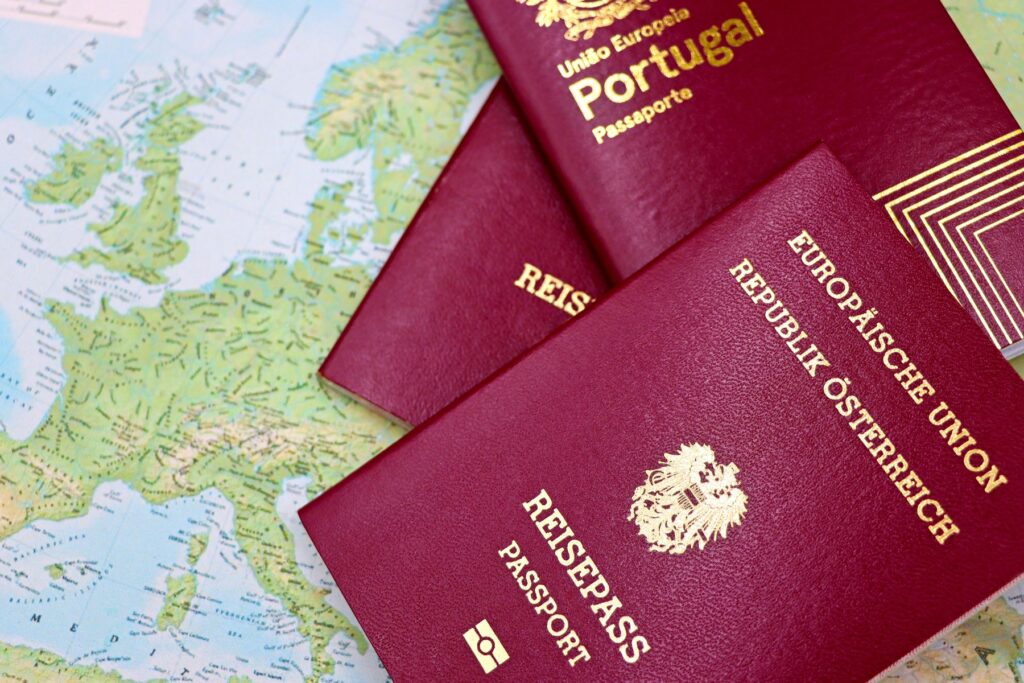 Photo: Passports of many countries on a map of Europe — Halal is present all over the world.
★ FACT #4
Halal is a global market, not just of the Middle East — it is present in more than 100 countries and territories.
Misconception #5: Halal is just a type of certification.
Today, Halal is a combination of quality standards, transparent supply chains, traceability, sustainable development, technological innovation, and international trade cooperation. Total spending by Muslim consumers on Halal products reached approximately US$2.6 trillion in 2024 and is projected to increase to US$3.56 trillion by 2029.
★ FACT #5
Halal certification is the starting point — the larger goal is integration into the global value chain.
Where should Vietnamese businesses begin?
The rise of the middle class in Muslim countries, the demand for safe food, Muslim-friendly tourism, and sustainable consumption trends are creating more opportunities than ever before. To capitalize on these opportunities, businesses need to start by properly understanding Halal, researching the requirements of their target market, building appropriate processes, and proactively connecting with certification bodies, associations, and international partners.
That is also the goal of the Vietnam Halal Tourism Conference 2026 — which brings together experts, certification bodies, businesses, and investors from both domestic and international backgrounds.
REFERENCES
— State of the Global Islamic Economy Report 2025/2026, DinarStandard.
— Content analysis & editing: Halal Hub Vietnam.