
If 10 years ago, the competitive advantage of Halal businesses lay in product quality and certification, in the next 10 years, that advantage will increasingly be determined by data, technology, and the ability to build digital trust.
According to the State of the Global Islamic Economy Report 2025/2026, the Halal economy is entering a new phase of development — from growth based on consumer demand to building a “Halal Economy Sovereignty,” in which countries invest heavily in digital infrastructure, Halal value chains, and digital trust systems.
Digital transformation is becoming a cornerstone of the Halal economy.
Technology is no longer seen as a supporting tool, but has become an integral part of the Halal ecosystem. The report identifies a number of prominent trends: AI supporting Halal certification processes, Blockchain for traceability, Digital Trust Infrastructure, digital transformation in Islamic tourism, digital-based Islamic finance, and smart Halal supply chains.
The numbers speak for themselves.
Muslim consumer spending reached $2.6 trillion in 2024 and is projected to reach $3.56 trillion by 2029, with an average growth rate of approximately 6.5% per year. 2025 is expected to see 346 investment deals related to the Halal ecosystem with a total value of approximately $13.1 billion. The report ranks AI-enabled Halal Certification and Blockchain-enabled Traceability among the most significant opportunity signals.
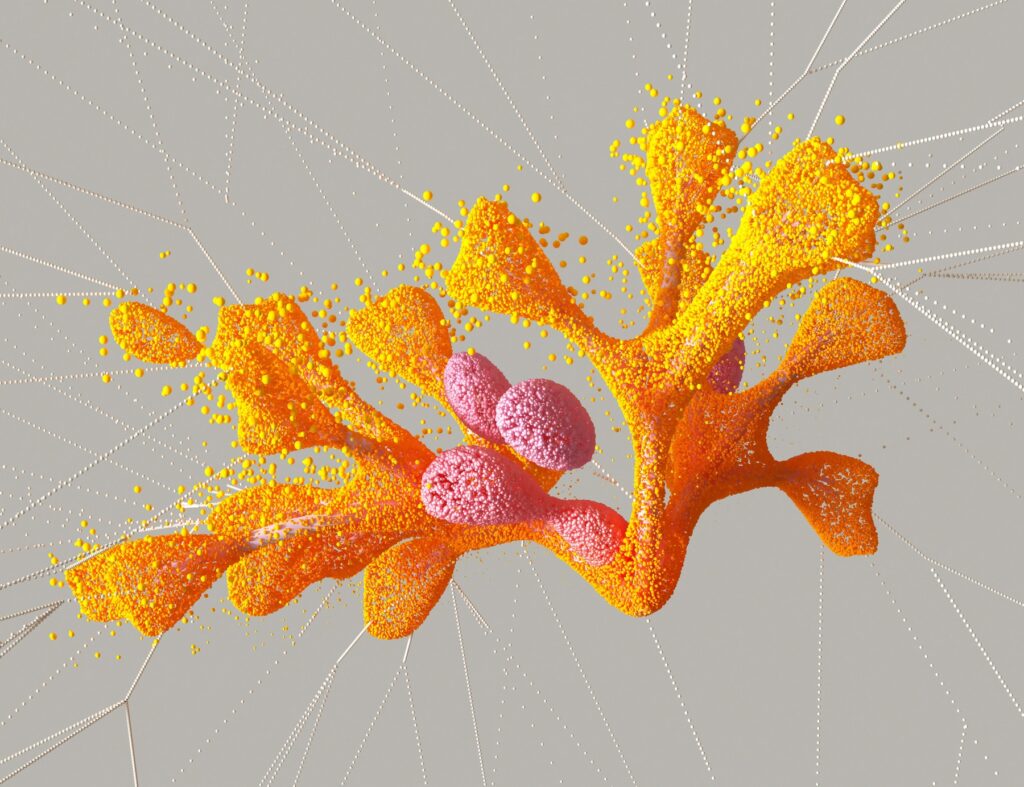 Image: Artistic illustration of AI and neural networks.
★ MOST IMPORTANT POINT
The competition isn’t just about products, but also about a company’s digital capabilities.
AI is changing the way the Halal industry operates.
AI can assist in verifying certification records, analyzing raw material data, assessing supply chain risks, forecasting market demand, and checking data consistency. Importantly, AI does not replace Halal experts, but rather helps them work faster and more accurately.
Blockchain — The “Ledger of Trust” for the Halal Supply Chain
While AI helps process data, blockchain helps protect it. In a supply chain that may span multiple countries, blockchain helps preserve product history in a way that is very difficult to alter—increasing traceability, transparency of the product journey, and reducing the risk of fraud. Malaysia, the UAE, and Indonesia are all researching and testing blockchain in Halal governance.
Vietnam can take a shortcut through technology.
Many countries have spent decades building Halal systems using traditional models. Vietnam can build a Halal ecosystem from scratch on a digital platform, combining certification, traceability, smart logistics, and data governance—both bridging the gap and creating new competitive advantages.
★ REMEMBER
In the Halal economy of the future, products create value, but data creates trust.
 Photo: Humanoid robots of the digital age
Vietnam Halal Tourism Conference 2026 — Connecting Businesses with New Trends
The conference will serve as a platform to connect businesses, certification bodies, technology companies, investors, and international partners to share new solutions in digital transformation, traceability, logistics, and the development of the Halal ecosystem.
The biggest difference in SGIE 2025/2026 is the shift in focus from “market growth” to “capacity building.” AI, blockchain, and digital infrastructure are no longer just technological trends, but are becoming strategic foundations for countries to build long-term competitive advantages.
REFERENCES
— State of the Global Islamic Economy Report 2025/2026, DinarStandard.
— Content analysis & editing: Halal Hub Vietnam.