When it comes to Halal certification, many businesses immediately think of a set of documents, an evaluation process, or a mandatory requirement for exporting to Muslim countries. In reality, that perspective only reflects part of the picture.
In the modern Halal economy, Halal certification is not simply an administrative procedure. It is a tool that helps businesses build trust, standardize production processes, and open doors to a global market worth $2.6 trillion, projected to grow to $3.56 trillion by 2029.
★ MOST IMPORTANT POINT
Halal certification is not the destination. It’s the starting point.
Why is Halal certification important?
For Muslim consumers, Halal is more than just a symbol on a packaging. It’s an assurance that a product is manufactured according to Islamic law, while also meeting stringent requirements regarding ingredients, production processes, hygiene, safety, and traceability—a “common language” that connects businesses and consumers.
Halal certification is not just for export businesses.
More and more businesses are choosing to obtain Halal certification even before exporting, as the preparation process helps them standardize production processes, control raw materials more tightly, improve traceability, and enhance their quality management systems.
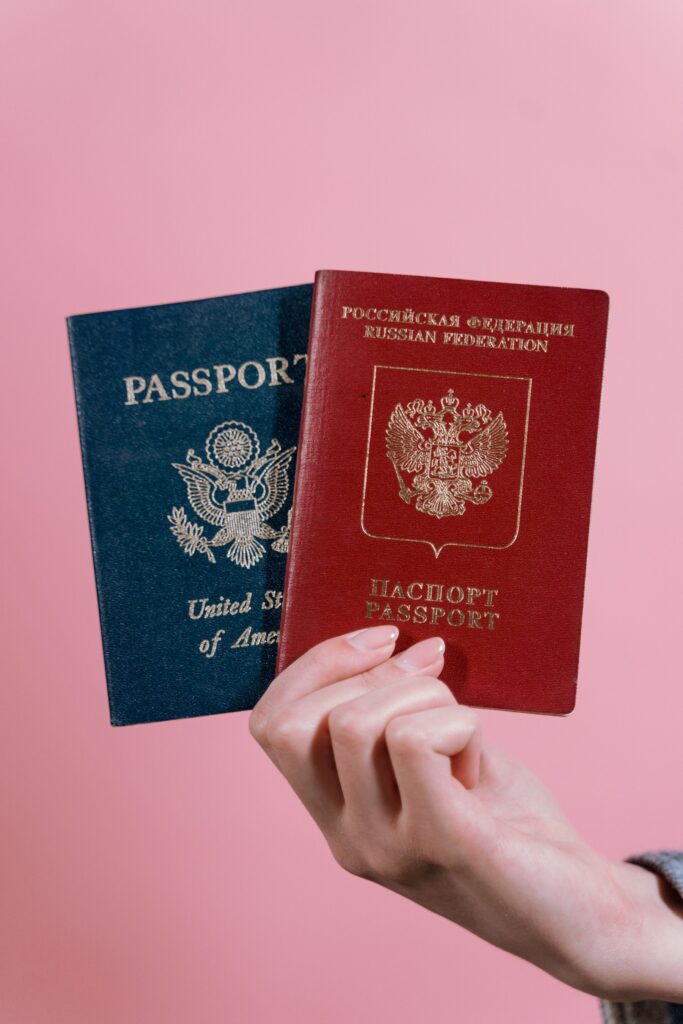
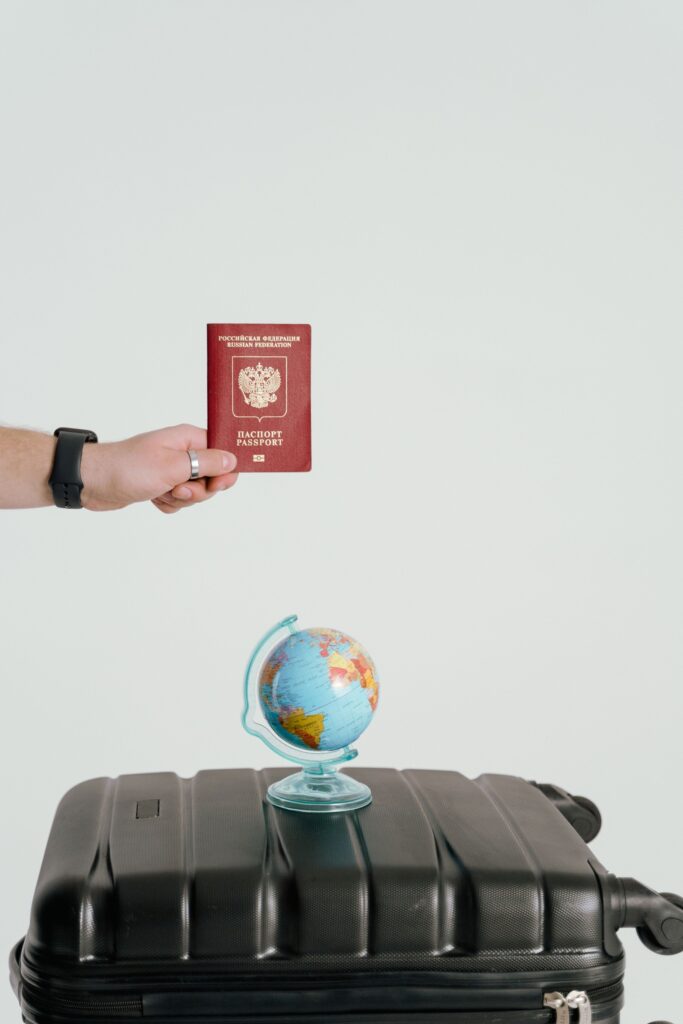 Photo: Passports of many countries on a map — Halal markets are present all over the world.
Halal certification is the “key” to unlocking many markets.
The demand for Halal products and services exists in over 100 countries and territories. Besides the OIC countries, many markets such as Japan, South Korea, Singapore, the United Kingdom, and Europe are also expanding their Halal ecosystems — meaning Halal certification can become a competitive advantage when businesses want to expand into different markets.
Halal certification and the competitive advantage of businesses.
Halal certification demonstrates that a business has controlled production processes, knows how to manage risks, and is committed to maintaining assessed standards—helping to reduce initial assessment time and build trust in international collaborations.
★ REMEMBER
Halal certification not only allows businesses to “sell their products,” but also helps them “gain trust for partnerships.”
A new trend: Halal certification enters the digital age.
The State of the Global Islamic Economy Report 2025/2026 shows that many countries are accelerating digital transformation in the Halal sector. Artificial intelligence (AI), blockchain, and electronic traceability systems are being applied to shorten processing times, enhance transparency, and reduce fraud in the certification process.
 Photo: Shaking hands with partners — trust and international cooperation
Where should a business begin?
Many businesses think that achieving Halal certification is the first step. In reality, the first step is identifying the target market—because each country has different regulations, accreditation bodies, and requirements. Then, businesses can progressively assess their production processes, control raw materials, train personnel, and work with the appropriate certification body.
Vietnam Halal Tourism Conference 2026 — A platform connecting businesses with the Halal ecosystem.
One of the biggest challenges for businesses is not a lack of opportunities, but a lack of information and connections. The conference will bring together domestic and international Halal certification organizations, experts, and trade partners to share experiences and foster collaboration.
In the global economy, Halal certification is a “passport” that helps Vietnamese businesses confidently enter new markets, build trust with international partners, and create a sustainable competitive advantage.
REFERENCES
— State of the Global Islamic Economy Report 2025/2026, DinarStandard.
— Content analysis & editing: Halal Hub Vietnam.