
Global Muslim consumer spending is projected to reach $2.6 trillion in 2024, and is expected to reach $3.56 trillion by 2029. Halal food continues to be the largest sector, accounting for approximately $1.52 trillion. Muslim-friendly tourism is expected to reach around $249 billion, projected to increase to $424 billion by 2029. OIC countries are expected to import approximately $421.5 billion worth of Halal goods and services in 2024.
These figures show that Halal is not just a product market. It is an economic ecosystem with many links that together create value.
What is the Halal value chain?
Many people think that opportunities in the Halal industry are only for food manufacturing businesses. In reality, the product is just one link in the entire value chain: raw material suppliers, manufacturing businesses, certification bodies, testing units, logistics and warehousing, importers and distributors, banks and insurance companies, technology and traceability, e-commerce, tourism and services.
It’s not just manufacturing businesses that benefit.
Logistics companies can develop warehousing and transportation services that meet Halal requirements. Technology companies can provide ERP, AI, blockchain, and traceability solutions. Banks can develop products to support exports. Universities can provide training on Halal standards. Hotels and restaurants can develop Muslim-friendly services.
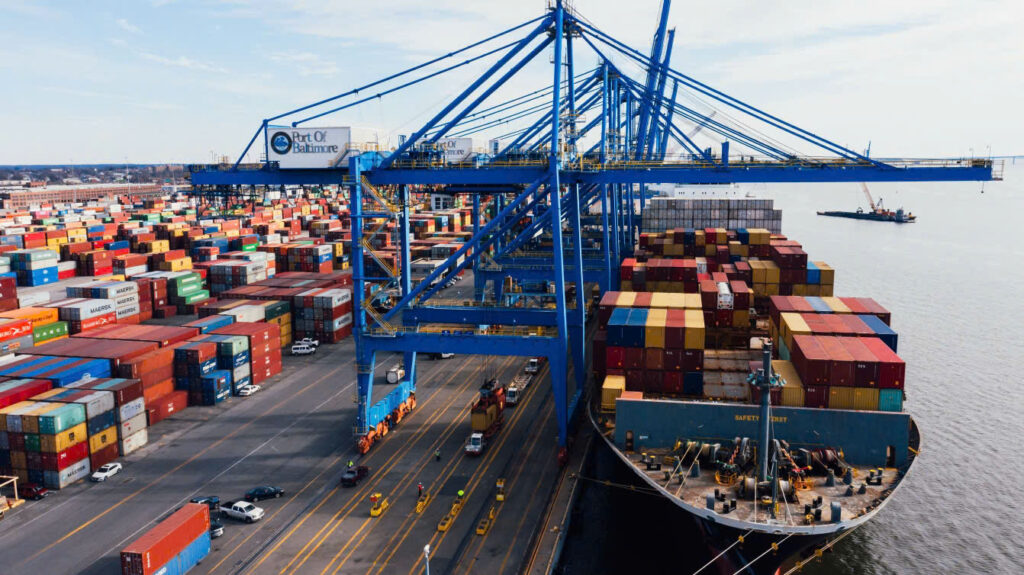 Photo: Container ship at the port
★ MOST IMPORTANT POINT
Halal opens up opportunities for almost the entire economy — not just the food industry.
What the leading nations are doing
Leading countries invest not only in factories, but also in standards systems, logistics centers, digital infrastructure, human resource training, innovation, and international investment connections. That is why Malaysia, the UAE, and Indonesia not only export Halal products, but also services, technology, and management expertise.
Case Study: Malaysia
Malaysia has consistently topped the Global Islamic Economy Indicator for many years, not only because of its high number of Halal-certified businesses, but also because of its comprehensive ecosystem: internationally recognized regulatory bodies and standards, specialized industrial parks and logistics centers, universities that train skilled personnel, and close collaboration between the government, businesses, and certification bodies.
 Photo: Shaking hands to establish a partnership.
Vietnam Insight
Vietnam has many advantages for deeper participation in the Halal value chain: strong export capacity in agriculture and fisheries, a modern food processing industry, a port system undergoing investment, and a strong push for digital transformation. What is needed now is to connect businesses into an ecosystem.
Vietnam Halal Tourism Conference 2026
The conference’s objective is not only to showcase market potential, but also to connect the links in the value chain: regulatory bodies, associations, manufacturers, certification organizations, logistics, technology, investors, and international partners.
REFERENCES
— State of the Global Islamic Economy Report 2025/2026, DinarStandard.
— Content analysis & editing: Halal Hub Vietnam.