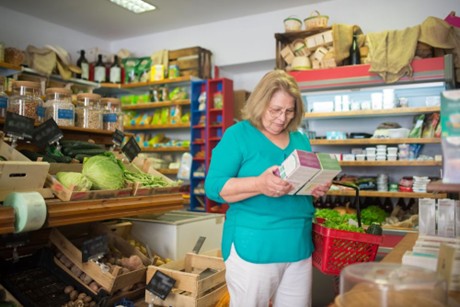

The OIC countries imported approximately US$421.5 billion worth of Halal goods and services in 2024. Spending on Halal food reached approximately US$1.52 trillion, projected to increase to US$2.05 trillion by 2029. Spending on Muslim-friendly tourism reached approximately US$249 billion, projected to increase to US$424 billion by 2029. The GCC region comprises six countries with some of the highest per capita incomes in the world.
These figures show that the Middle East is not only a large consumer market but also a region with long-term import demand.
Why does the Middle East need to import so much?
Many countries in the Gulf region have arid climates, limited agricultural land, and scarce freshwater resources. To ensure food security, these countries must import large quantities of rice, seafood, meat and processed foods, fruits and vegetables, beverages, and raw materials. This is a structural need, not a short-term one.
They don’t just sell food.
In addition to agricultural products and food, the region also has demand for Halal-certified cosmetics and personal care products, pharmaceuticals and dietary supplements, non-alcoholic beverages, tourism and leisure services, furniture, building materials, and technology solutions, logistics, and traceability.
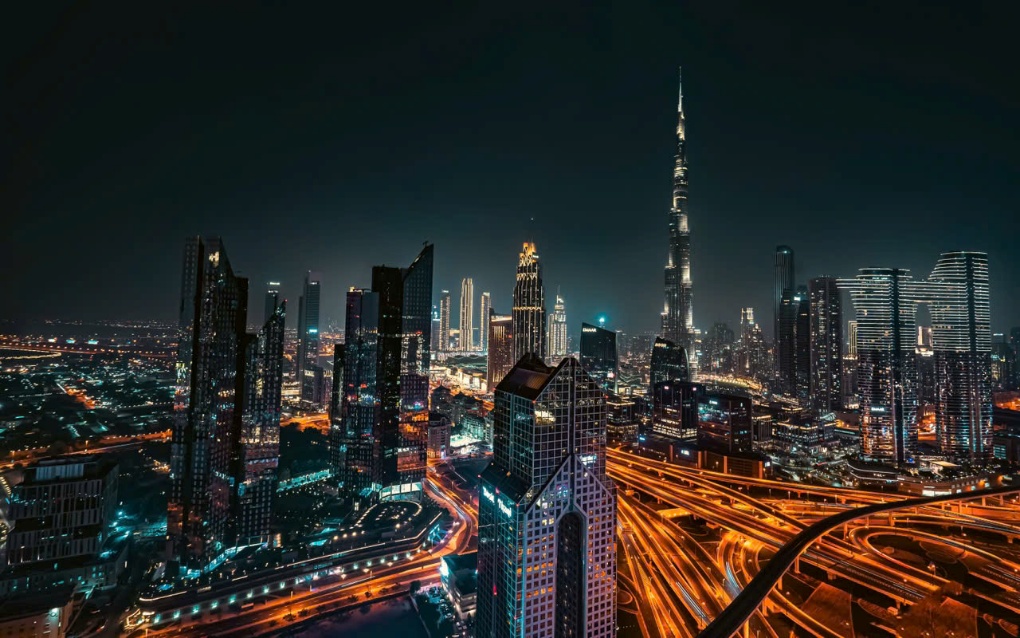 Photo: Dubai at night, Burj Khalifa
★ MOST IMPORTANT POINT
In many cases, trust is just as important as price — the market needs Halal certification, traceability, consistent quality, and the potential for long-term cooperation.
Vietnam Insight
Vietnam possesses numerous advantages: it is one of the leading exporters of rice, coffee, cashews, pepper, seafood, and tropical fruits; its food processing capabilities are becoming increasingly modern; and its port and logistics systems are receiving significant investment. By combining product quality, Halal certification, and a sound market strategy, Vietnamese businesses can significantly expand their market share in this region.
Case Study: UAE — From Import Market to Re-export Hub
Beyond being a major consumer market, the UAE also serves as a trade gateway to the Middle East. Many international businesses choose the UAE to establish representative offices, build transit warehouses, distribute goods to GCC countries, Africa, and South Asia, and participate in international trade fairs and exhibitions.
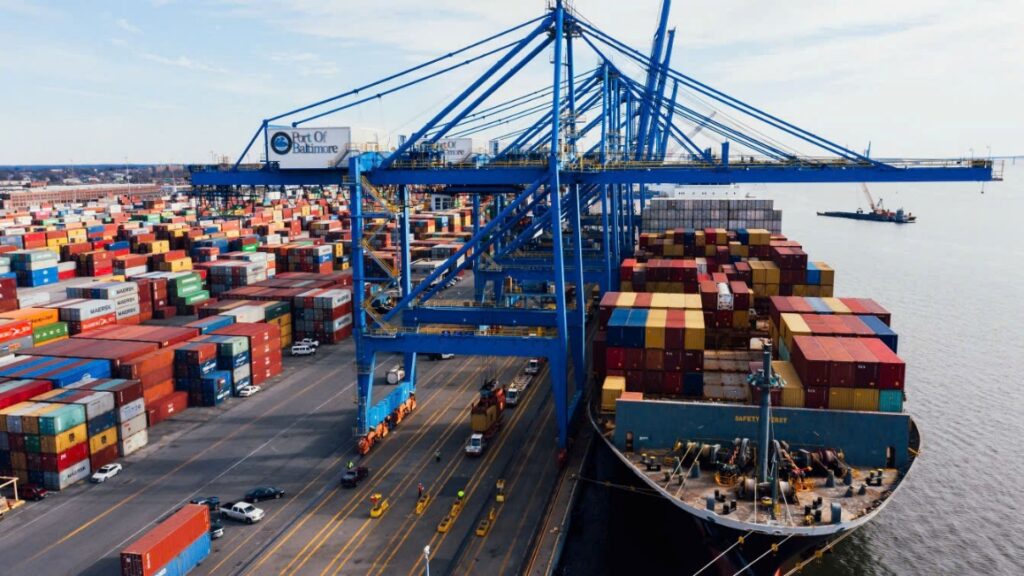 Photo: Unloading port — international trade
Action for Business
- Assess whether the product is suitable for the needs of the Middle Eastern market.
- Learn about Halal certification requirements in target markets.
- Standardize product documentation in English.
- Develop a traceability and information transparency strategy.
- Actively participate in conferences, exhibitions, and business networking programs.
Khanh Hoa Insight
With its advantages in seaports, Cam Ranh International Airport, tourism, and seafood processing, Khanh Hoa has many conditions to become a connecting point between Vietnamese businesses and Middle Eastern partners.
Vietnam Halal Tourism Conference 2026
One of the conference’s objectives is to create a space for Vietnamese businesses to meet directly with certification bodies, associations, importers, and international partners from various Muslim markets.
REFERENCES
— State of the Global Islamic Economy Report 2025/2026, DinarStandard.
— Content analysis & editing: Halal Hub Vietnam.